

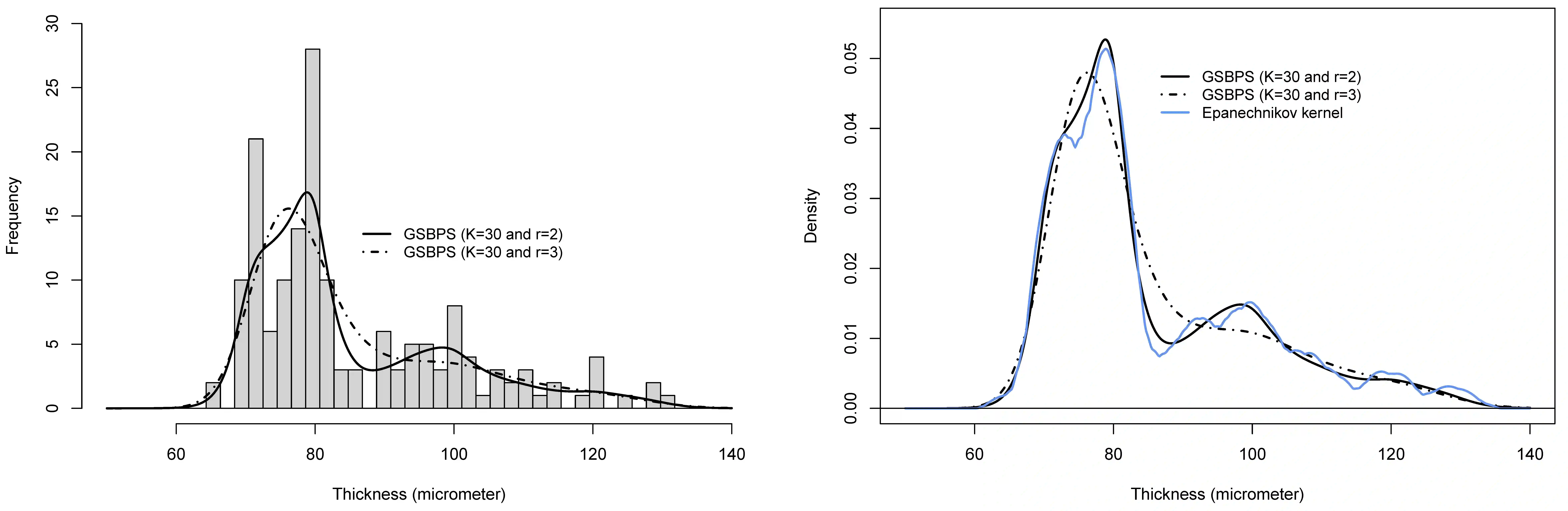
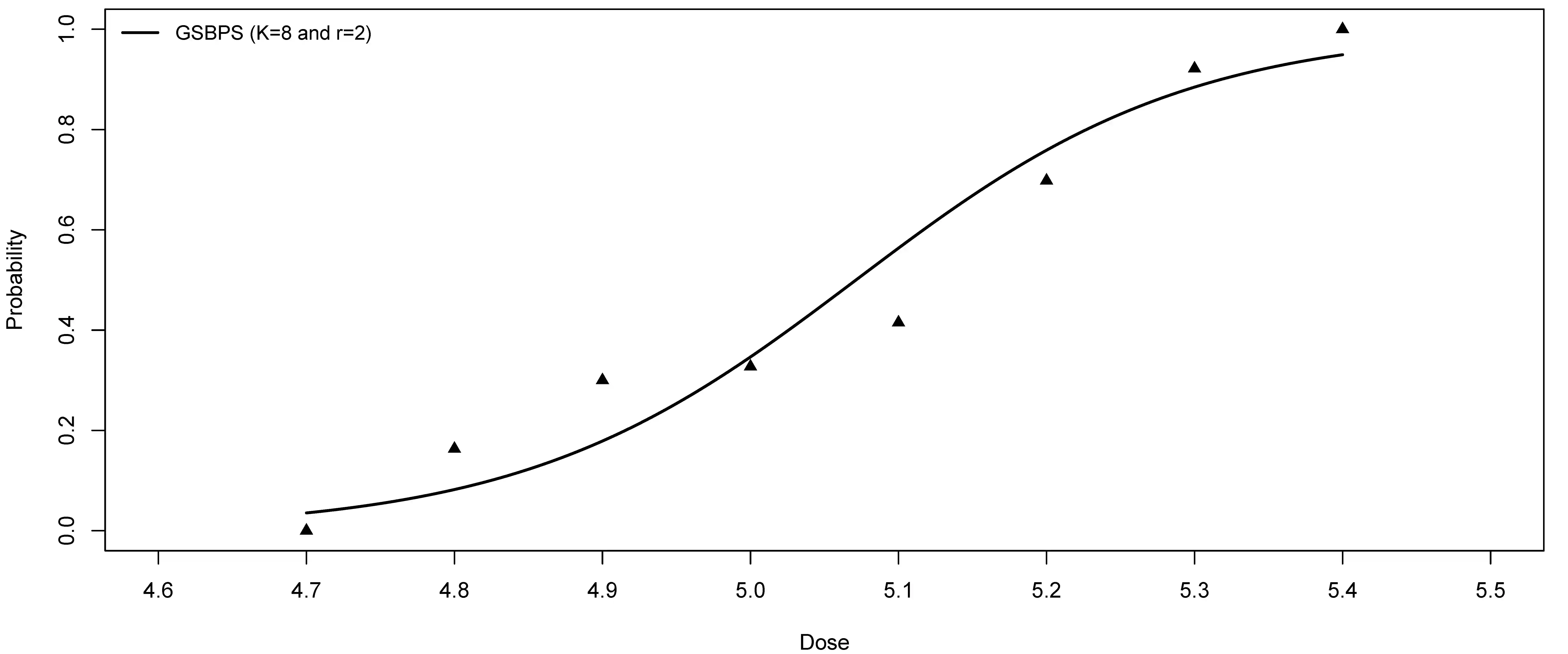
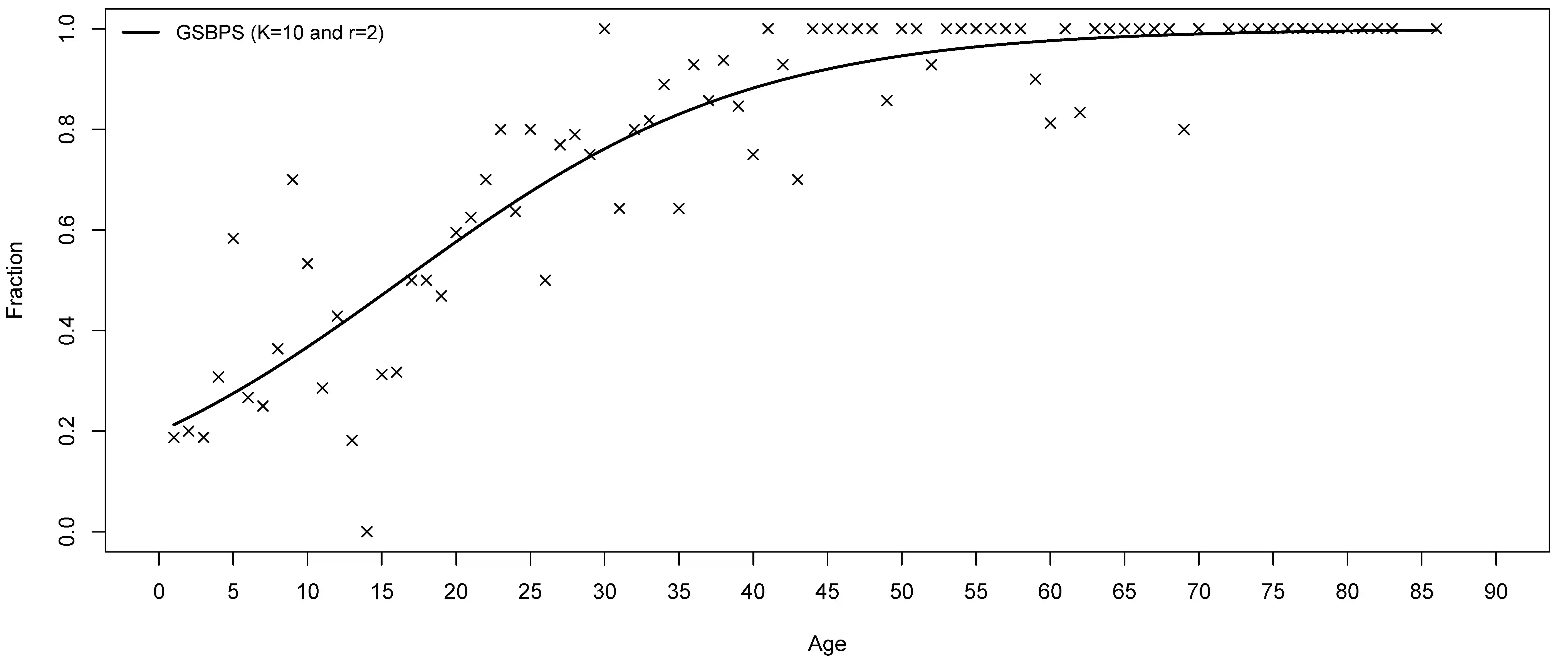
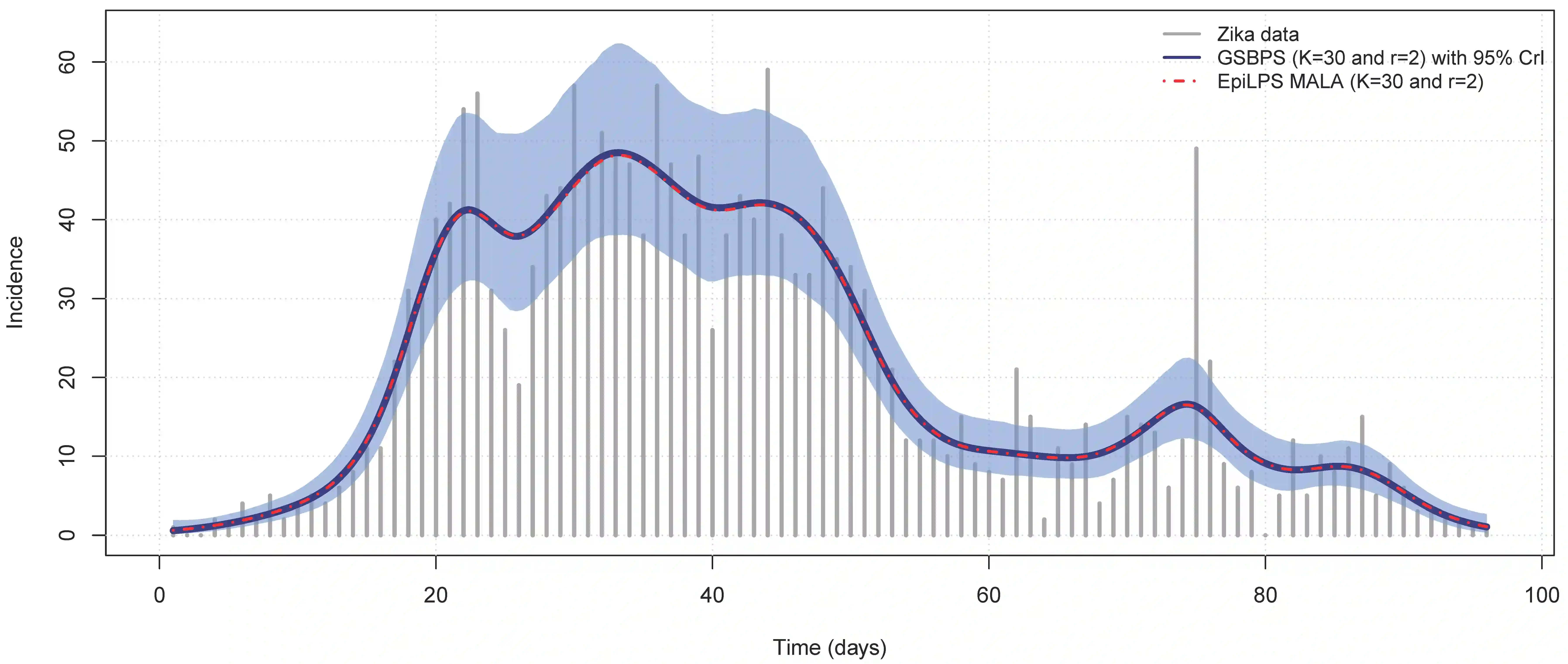
P-splines provide a flexible setting for modeling nonlinear model components based on a discretized penalty structure with a relatively simple computational backbone. Under a Bayesian inferential framework based on Markov chain Monte Carlo, estimates of model coefficients in P-splines models are typically obtained by means of Metropolis-type algorithms. These algorithms rely on a proposal distribution that has to be carefully chosen to generate Markov chains that efficiently explore the parameter space. To avoid such a sensitive tuning choice, we extend the Gibbs sampler to Bayesian P-splines models. In this model class, conditional posterior distributions of model coefficients are shown to have attractive mathematical properties. Taking advantage of these properties, we propose to sample the conditional posteriors by alternating between the adaptive rejection sampler when targets are log-concave and the Griddy-Gibbs sampler when targets are characterized by more complex shapes. The proposed Gibbs sampler for Bayesian P-splines (GSBPS) algorithm is shown to be an interesting tuning-free tool for inference in Bayesian P-splines models. Moreover, the GSBPS algorithm can be translated in a compact and user-friendly routine. After describing theoretical results, we illustrate the potential of our methodology in density estimation, Binomial regression, and smoothing of epidemic curves.
翻译:P样条为基于离散化惩罚结构的非线性模型分量建模提供了一个灵活框架,其计算架构相对简洁。在基于马尔可夫链蒙特卡洛的贝叶斯推断框架下,P样条模型中模型系数的估计通常通过Metropolis类算法获得。这类算法依赖于需精心选择的提议分布,以生成能高效探索参数空间的马尔可夫链。为避免此类敏感的参数调优选择,我们将吉布斯采样器扩展至贝叶斯P样条模型。在此模型类别中,模型系数的条件后验分布被证明具有优良的数学特性。利用这些特性,我们提出通过交替使用自适应拒绝采样器(当目标函数为对数凹函数时)与Griddy-Gibbs采样器(当目标函数具有更复杂形态时)来对条件后验分布进行采样。所提出的贝叶斯P样条吉布斯采样(GSBPS)算法被证明是贝叶斯P样条模型中一种无需调参的推断工具。此外,GSBPS算法可转化为紧凑且用户友好的程序例程。在阐述理论结果后,我们通过密度估计、二项回归及流行病曲线平滑三个案例展示了该方法的潜力。





相关内容




 微信扫码咨询专知VIP会员