

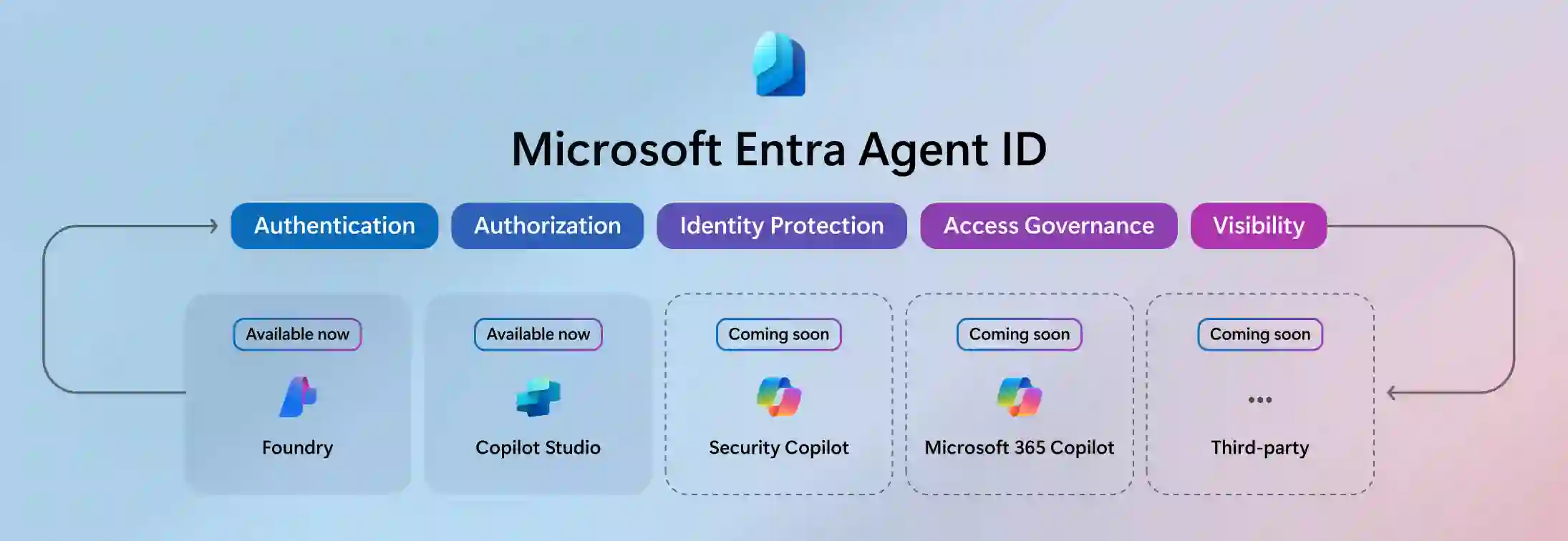
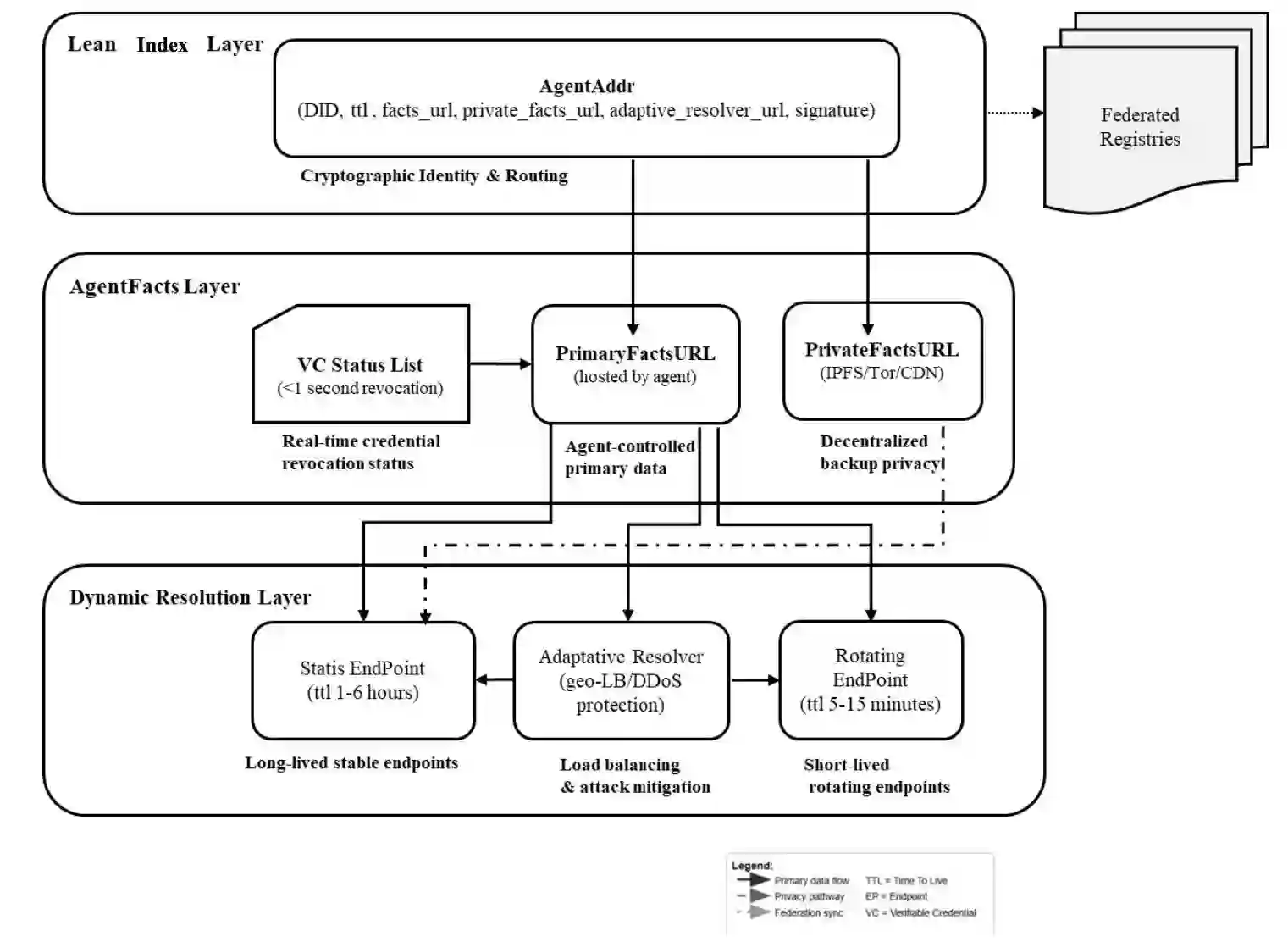
Autonomous AI agents now operate across cloud, enterprise, and decentralized domains, creating demand for registry infrastructures that enable trustworthy discovery, capability negotiation, and identity assurance. We analyze five prominent approaches: (1) MCP Registry (centralized publication of mcp.json descriptors), (2) A2A Agent Cards (decentralized self-describing JSON capability manifests), (3) AGNTCY Agent Directory Service (IPFS Kademlia DHT content routing extended for semantic taxonomy-based content discovery, OCI artifact storage, and Sigstore-backed integrity), (4) Microsoft Entra Agent ID (enterprise SaaS directory with policy and zero-trust integration), and (5) NANDA Index AgentFacts (cryptographically verifiable, privacy-preserving fact model with credentialed assertions). Using four evaluation dimensions: security, authentication, scalability, and maintainability, we surface architectural trade-offs between centralized control, enterprise governance, and distributed resilience. We conclude with design recommendations for an emerging Internet of AI Agents requiring verifiable identity, adaptive discovery flows, and interoperable capability semantics.
翻译:当前自主人工智能代理已广泛部署于云端、企业级及去中心化领域,从而催生了支持可信发现、能力协商与身份验证的注册基础设施需求。本文系统分析了五种主流方案:(1) MCP注册中心(基于mcp.json描述符的中心化发布机制),(2) A2A代理卡片(去中心化自描述JSON能力清单),(3) AGNTCY代理目录服务(扩展IPFS Kademlia DHT内容路由协议,支持基于语义分类的内容发现、OCI制品存储及Sigstore完整性验证),(4) Microsoft Entra代理身份(集成策略与零信任机制的企业级SaaS目录),以及(5) NANDA索引AgentFacts(采用加密可验证、隐私保护的事实模型与凭证化声明)。通过安全性、认证机制、可扩展性和可维护性四个评估维度,我们揭示了中心化管控、企业治理与分布式韧性之间的架构权衡。最后,针对新兴的人工智能代理互联网对可验证身份、自适应发现流程及互操作能力语义的需求,提出了相应的设计建议。




相关内容




 微信扫码咨询专知VIP会员