

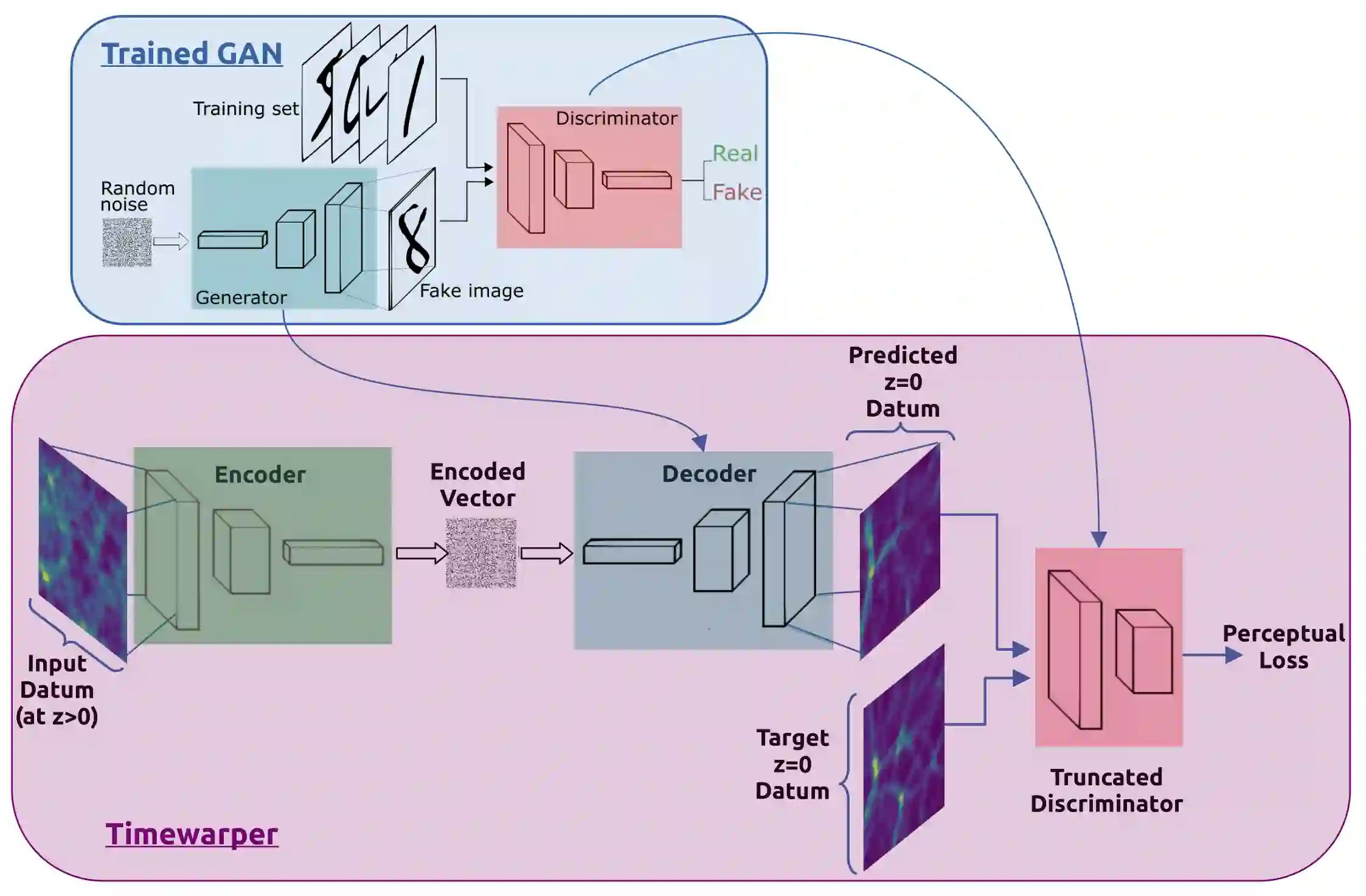
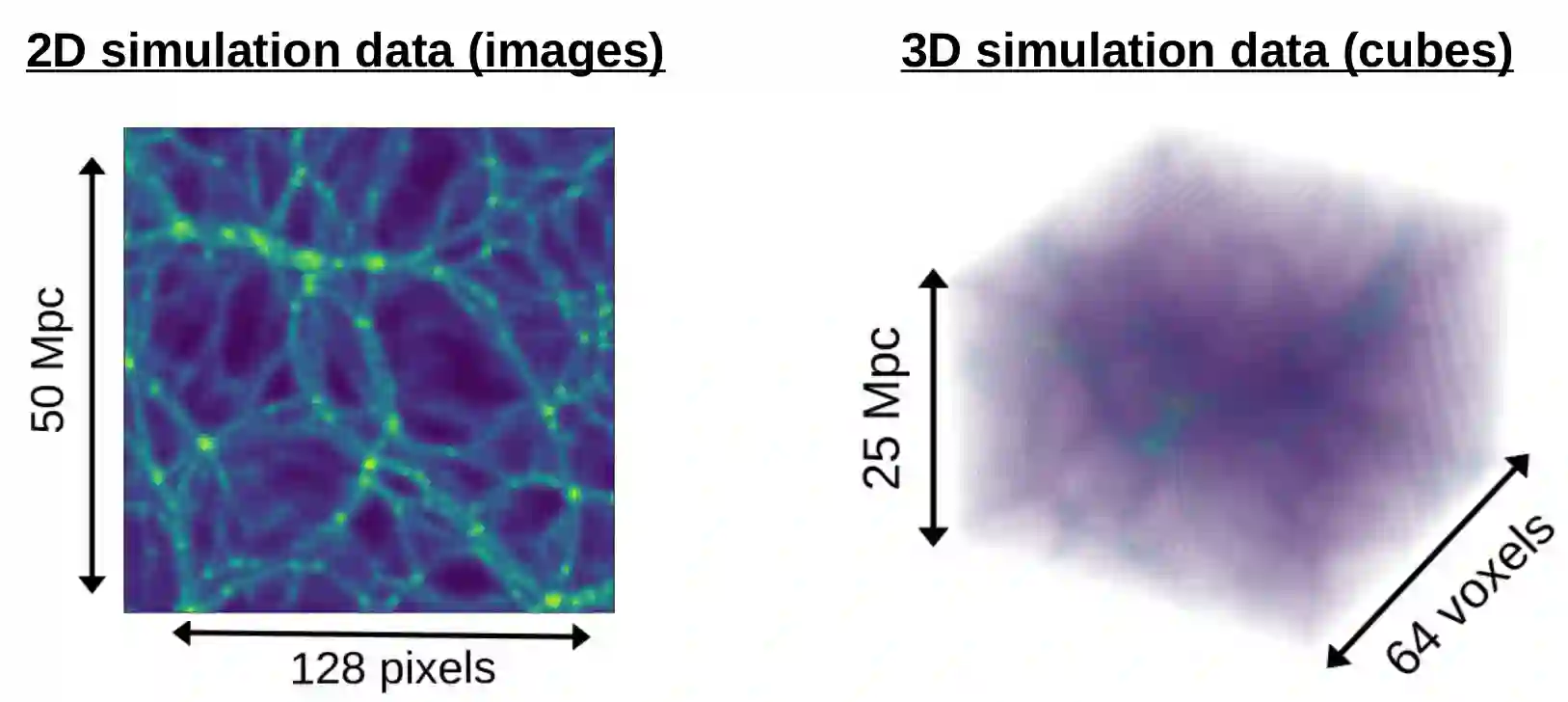
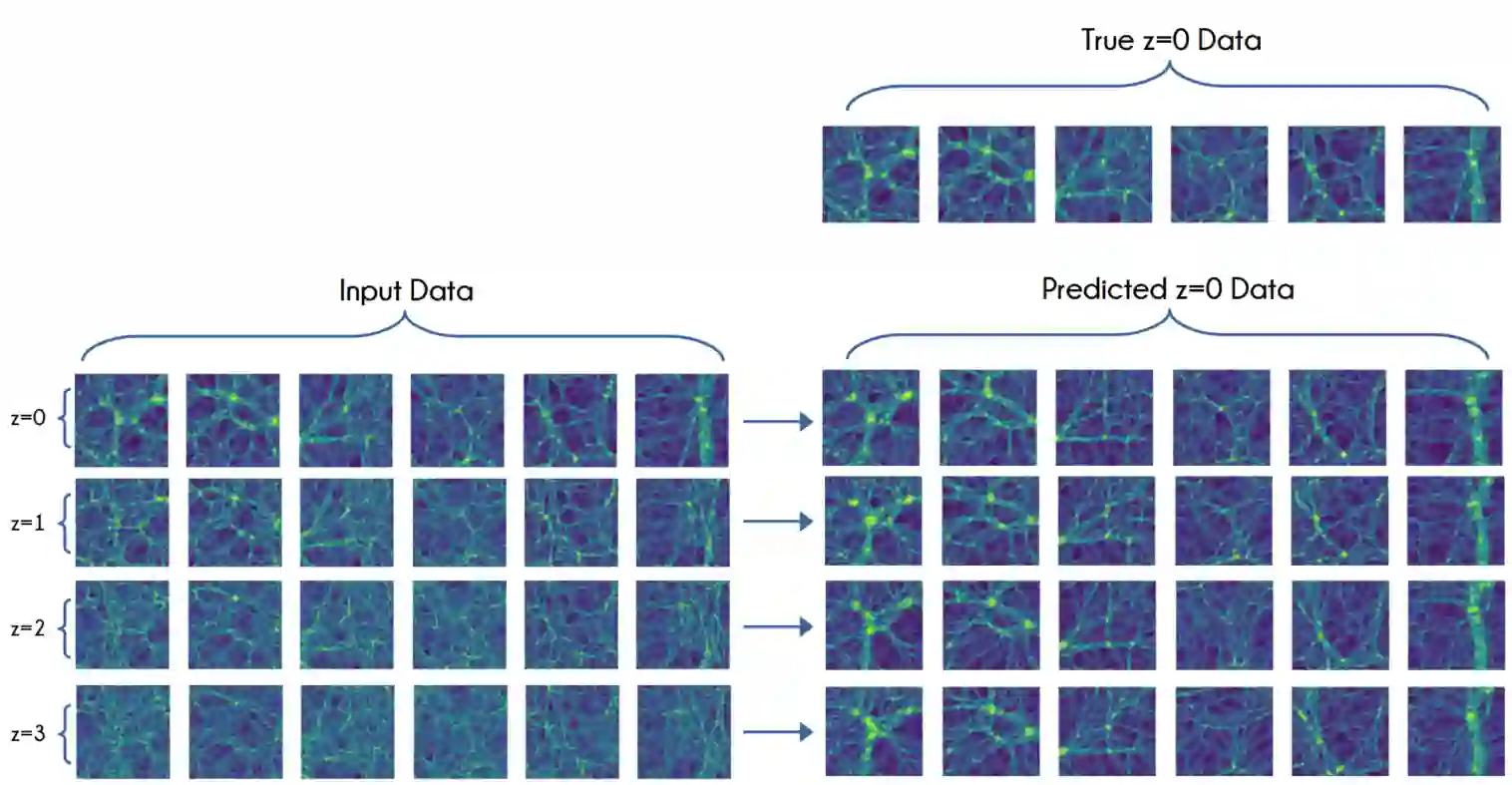
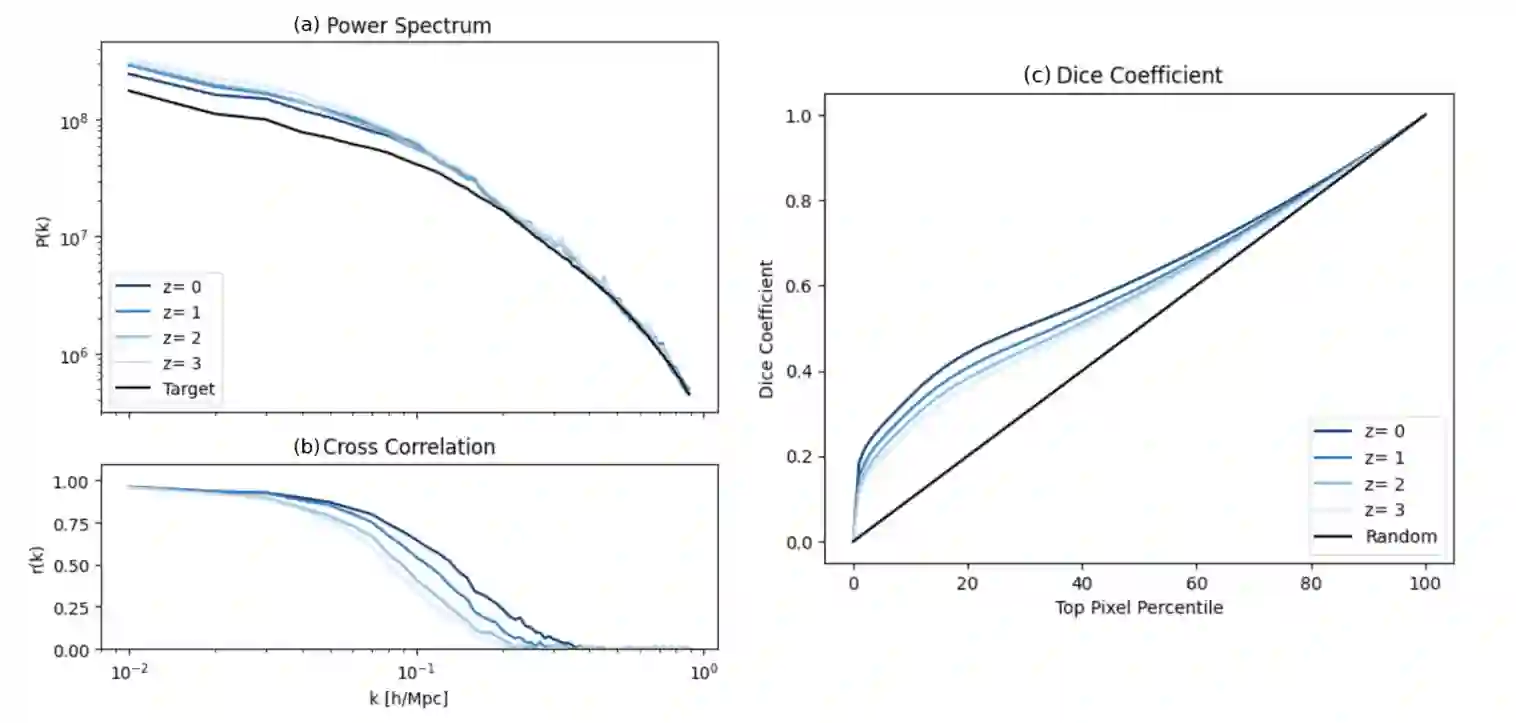
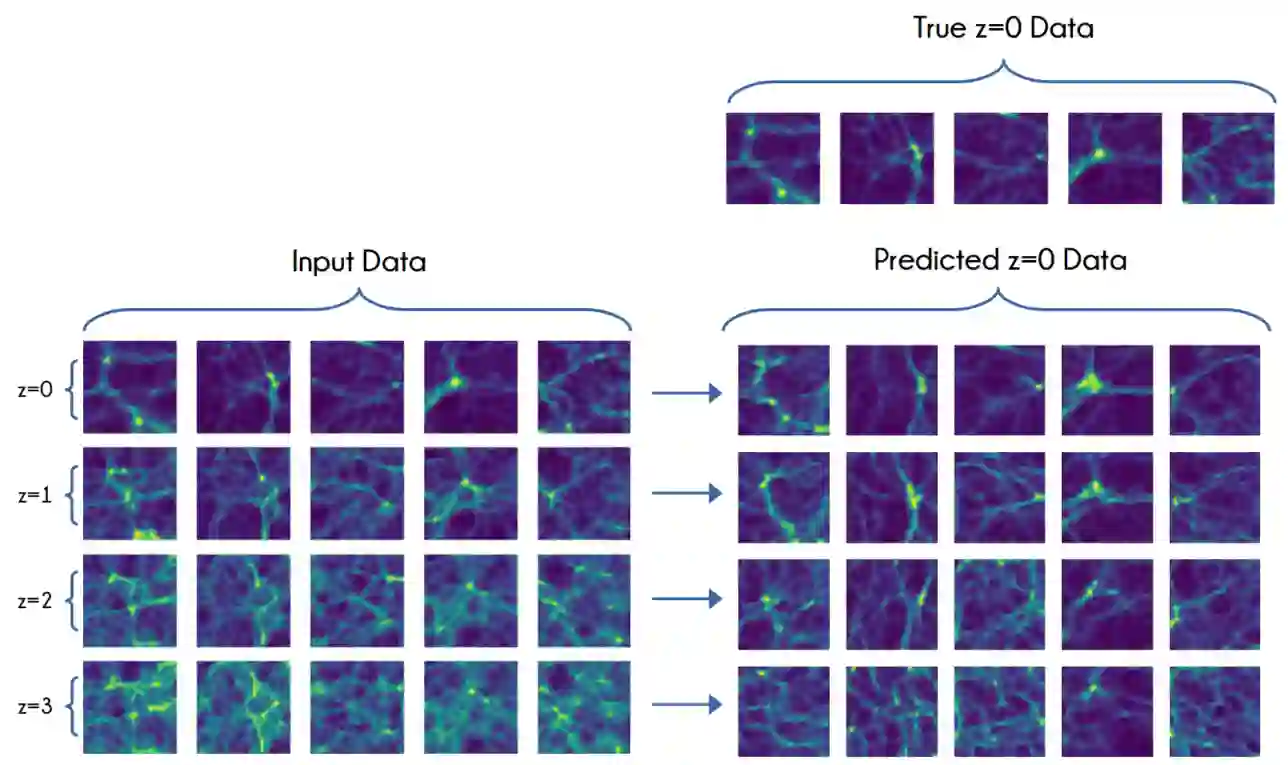
Predicting the nonlinear evolution of cosmic structure from initial conditions is typically approached using Lagrangian, particle-based methods. These techniques excel in terms of tracking individual trajectories, but they might not be suitable for applications where point-based information is unavailable or impractical. In this work, we explore an alternative, field-based approach using Eulerian inputs. Specifically, we developed an autoencoder architecture based on a generative adversarial network (GAN) and trained it to evolve density fields drawn from dark matter N-body simulations. We tested this method on both 2D and 3D data. We find that while predictions on 2D density maps perform well based on density alone, accurate 3D predictions require the inclusion of associated velocity fields. Our results demonstrate the potential of field-based representations to model cosmic structure evolution, offering a complementary path to Lagrangian methods in contexts where field-level data is more accessible.
翻译:从初始条件预测宇宙结构的非线性演化通常采用基于拉格朗日描述的粒子方法。这类技术在追踪单个轨迹方面表现优异,但在基于点的信息无法获取或不切实际的应用场景中可能并不适用。本研究探索了一种基于欧拉描述的场论替代方法。具体而言,我们开发了一种基于生成对抗网络的自编码器架构,并训练其演化从暗物质N体模拟中提取的密度场。我们在二维和三维数据上对该方法进行了测试。研究发现,虽然仅基于密度的二维密度图预测效果良好,但精确的三维预测需要纳入相关的速度场。我们的结果表明,在场级数据更易获取的背景下,基于场的表示方法在模拟宇宙结构演化方面具有潜力,为拉格朗日方法提供了一条互补的路径。




相关内容

 微信扫码咨询专知VIP会员