

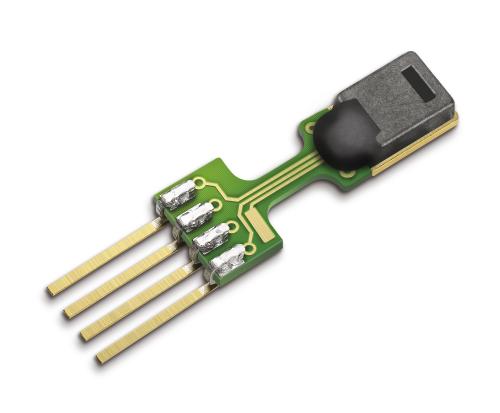
More and more smart connected things and services turn our homes into smart environments. They promise comfort, efficiency and security. These devices often integrate simple sensors, e.g. for temperature, light or humidity, etc. However, these smart but yet simple sensors can pose a sincere privacy risk. The sensor data enables sense-making of home attendance, domestic activities and even health conditions, often a fact that neither users nor developers are aware of or do not know how to address. Nevertheless, not all is lost or evil. This article makes a plea for how we, the ThingsCon community, might rethink smart connected things and services in our homes. We show this in our approaches and research projects that we initiated.
翻译:越来越多的智能互联设备与服务将我们的家居转变为智能环境,它们承诺带来舒适、高效与安全保障。这些设备通常集成简易传感器,例如用于监测温度、光照或湿度等。然而,这些智能却简易的传感器可能构成真实的隐私风险。传感器数据能够解读家庭人员在场情况、日常活动甚至健康状况,而这一事实往往未被用户或开发者充分认知,亦不知如何应对。但并非所有情况皆无可挽回或充满危害。本文呼吁我们——ThingsCon社区——应如何重新思考家庭中的智能互联设备与服务。我们通过已启动的研究项目与实践方法对此进行阐述。




相关内容



 微信扫码咨询专知VIP会员